What a dental implant is
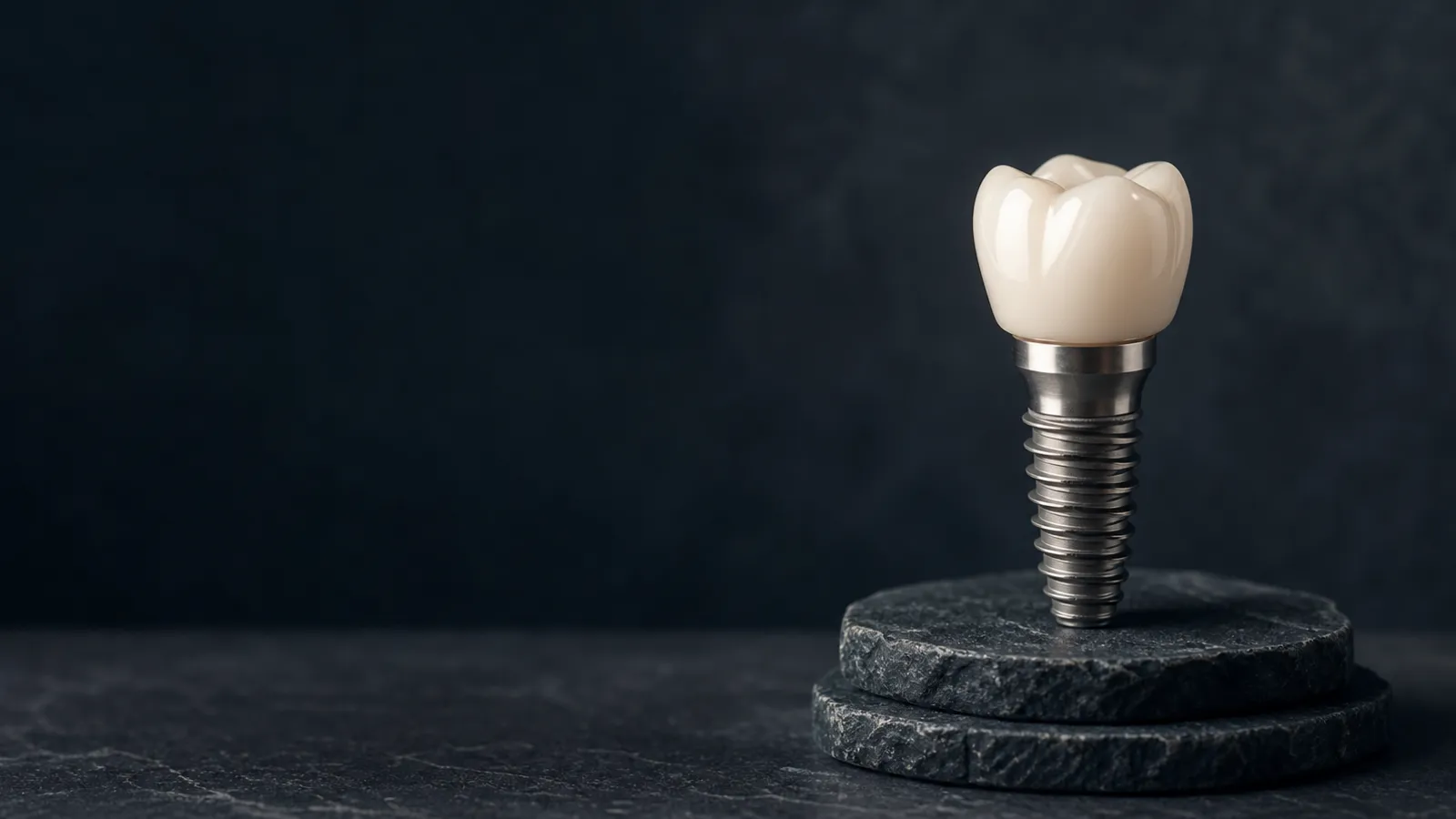
A dental implant replaces the root of a missing tooth. A small titanium post is placed in the jawbone, where it heals and bonds with the bone over several months. A crown, made to match your other teeth, is then fitted on top.
Because the implant is held by the bone rather than by the teeth either side, nothing has to be done to the neighbouring teeth. That is the main difference from a bridge, which usually needs the teeth on either side cut down to support it.
Why some people need bone grafting
When a tooth has been missing for a while, the bone that held it slowly shrinks. Sometimes there is not enough left to hold an implant securely. A bone graft adds bone to the area so it can. In the upper back jaw, a sinus lift raises the floor of the sinus to make room for new bone.
Not everyone needs grafting, and it is not something to guess at. Your X-rays or scan show the bone clearly, and we explain whether grafting is needed, how long it adds and what it costs before you decide.
Planned carefully, explained clearly
Implant treatment is a commitment of time and money, so the planning matters. You see every stage and every cost in writing first. If an implant is not the best option for you, we will say so and explain the alternatives, which may include a bridge or a denture.
If you are new to the practice, the first step is a check-up. All our prices are on the fee guide, and our new patients page explains your first visit.