
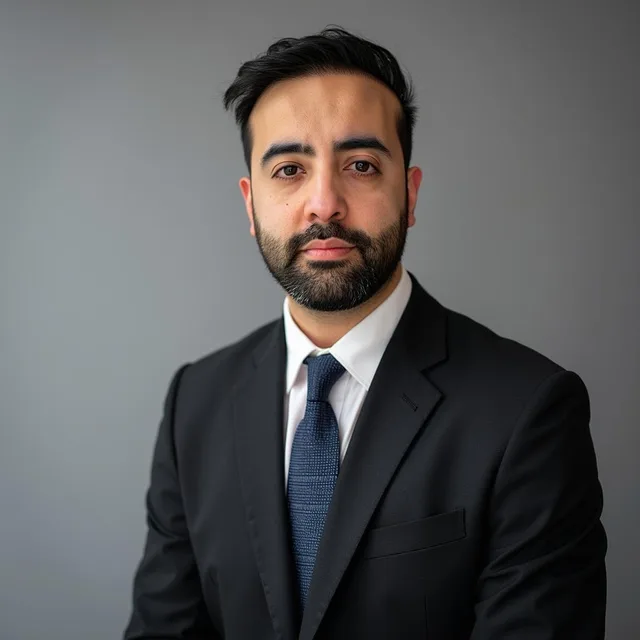
Dr Ardalan Eghtedar
Principal Dentist and owner
GDC 250741 · BDS, University of Liverpool, 2014; MFDS RCS (Edin)
Runs the practice and treats patients himself, from check-ups and cracked teeth to cosmetic work: aligners, bonding and veneers.
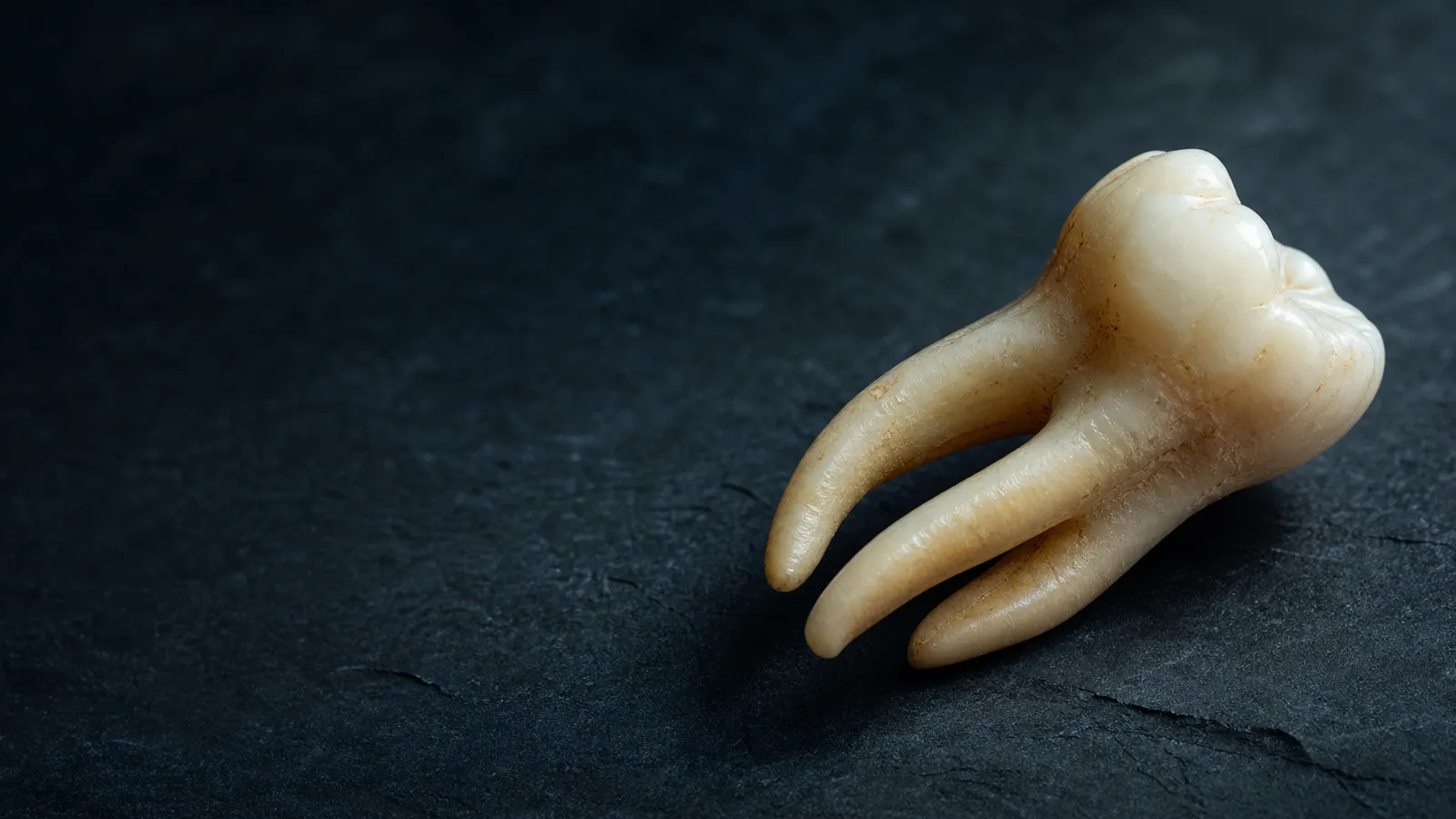
Wisdom teeth removal in London at Pembridge Dental starts with an X-ray to see the roots, then the tooth is taken out under local anaesthetic, simply or surgically, with the fee agreed first.
£250 to £350simple or surgical · see the fee guide
Book an appointmentCarried out at the practice by Dr Ardalan Eghtedar, principal dentist (GDC 250741).
Extractions
Wisdom teeth are the last teeth at the very back, and they usually come through between the late teens and mid-twenties. Often there is not quite enough room for them. A wisdom tooth may come through only partly, or sit at an angle against the tooth in front, which is called impacted.
A partly through wisdom tooth leaves a flap of gum where food and bacteria collect. That leads to the most common problem: repeated soreness, swelling and infection of the gum around it, sometimes with a bad taste and difficulty opening wide. Wisdom teeth are also hard to clean, so they and the tooth in front can decay.
In the UK, wisdom teeth that are healthy and causing no problems are usually left alone, and we follow that. Taking out a tooth that is not causing trouble carries risks without a benefit. So the first step is always an examination and an X-ray, and we only suggest removal when there is a clear reason, such as repeated infection, decay or damage to the neighbouring tooth.
If a wisdom tooth is painful now, book an emergency appointment. We can ease the infection first and plan the removal once it has settled.
A wisdom tooth that has come through fully can often be taken out simply, like any other tooth. One that is partly under the gum or bone needs a surgical removal: a small cut in the gum, sometimes removing a little bone or dividing the tooth, then a few stitches. Both are done under local anaesthetic.
The X-ray also shows how close the roots are to the nerve in the lower jaw. If a tooth is very close to the nerve, or is too deep to remove safely here, we will tell you and refer you to a hospital oral surgery team rather than take an avoidable risk.
If you are new to the practice, read what happens at your first visit. If a tooth further forward is the problem, it may be saved with root canal treatment rather than taken out. Every price is on our fee guide.
We examine the tooth and take an X-ray, often a full-mouth X-ray, to see the roots, the nerve and the teeth around it.
We explain whether the tooth needs to come out, whether it is a simple or surgical removal, the risks, and the cost, before anything is booked.
The area is numbed with local anaesthetic. A simple removal eases the tooth out; a surgical one involves a small cut in the gum and sometimes stitches.
You get written aftercare advice and a number to call. We check how you are healing if you need us to.
Bite gently on gauze to help a blood clot form, rest, and avoid rinsing, hot drinks, smoking and alcohol for the first 24 hours. The clot is what lets the socket heal.
Some swelling, stiffness and soreness are normal for a few days, often at their worst on day two or three. Eat soft food, take painkillers as advised, and from the next day rinse gently with warm salty water after meals.
Call if the pain gets worse after a few days rather than better, if a bad taste or smell appears, or if bleeding will not stop with firm pressure on gauze.
Taking out a wisdom tooth at Pembridge Dental is £250 for a simple removal, or £350 for a surgical removal, where the tooth is partly under the gum or bone. A full-mouth X-ray to plan it is £95. We tell you which applies to your tooth, and the total, before anything is booked.
Fees at Pembridge Dental
Whether a removal is simple or surgical depends on how the tooth sits, which the X-ray shows. Private fees, confirmed in your written treatment plan before any treatment starts. See the full fee guide.
Principal Dentist and owner
GDC 250741 · BDS, University of Liverpool, 2014; MFDS RCS (Edin)
Runs the practice and treats patients himself, from check-ups and cracked teeth to cosmetic work: aligners, bonding and veneers.
Still have a question?
Call reception on 020 7727 3976, Monday to Friday. We are happy to talk it through before you book.
Wisdom teeth removal at Pembridge Dental in London W8 is £250 for a simple removal and £350 for a surgical removal. A full-mouth X-ray to plan it is £95. Which applies depends on how the tooth sits, and we tell you the total before anything is booked.
Wisdom tooth removal is done with the area numbed by local anaesthetic, so you should feel pressure and pushing but not sharp pain. Once the anaesthetic wears off, the area is sore for a few days, and normal painkillers usually help. Tell us if you are nervous; we explain each step and go at your pace.
Most people feel much better within about a week, though the socket takes longer to close fully. Swelling and stiffness are usually worst on the second or third day. Soft food, rest and gentle salt-water rinses from the day after help it heal.
Wisdom teeth only need to come out if they are causing problems, such as repeated gum infections, decay that cannot be filled, or damage to the tooth in front. Wisdom teeth that are healthy and causing no trouble are usually left alone. An examination and X-ray show which applies to you.
Dry socket happens when the blood clot that forms in the socket after removal is lost or breaks down, leaving the bone exposed. It causes a strong, throbbing ache a few days after the removal. It is more common in smokers. It is treatable, so call us if the pain gets worse instead of better.
Many people go back to desk work the next day after a simple removal. After a surgical removal, plan a day or two of rest, and avoid heavy exercise for a few days, as it can start the bleeding again. We give you aftercare advice on the day.
New patients: what happens at your first visit Every price in one list
Book online, straight into our diary. Prefer to talk first? Call 020 7727 3976.
Book an appointment