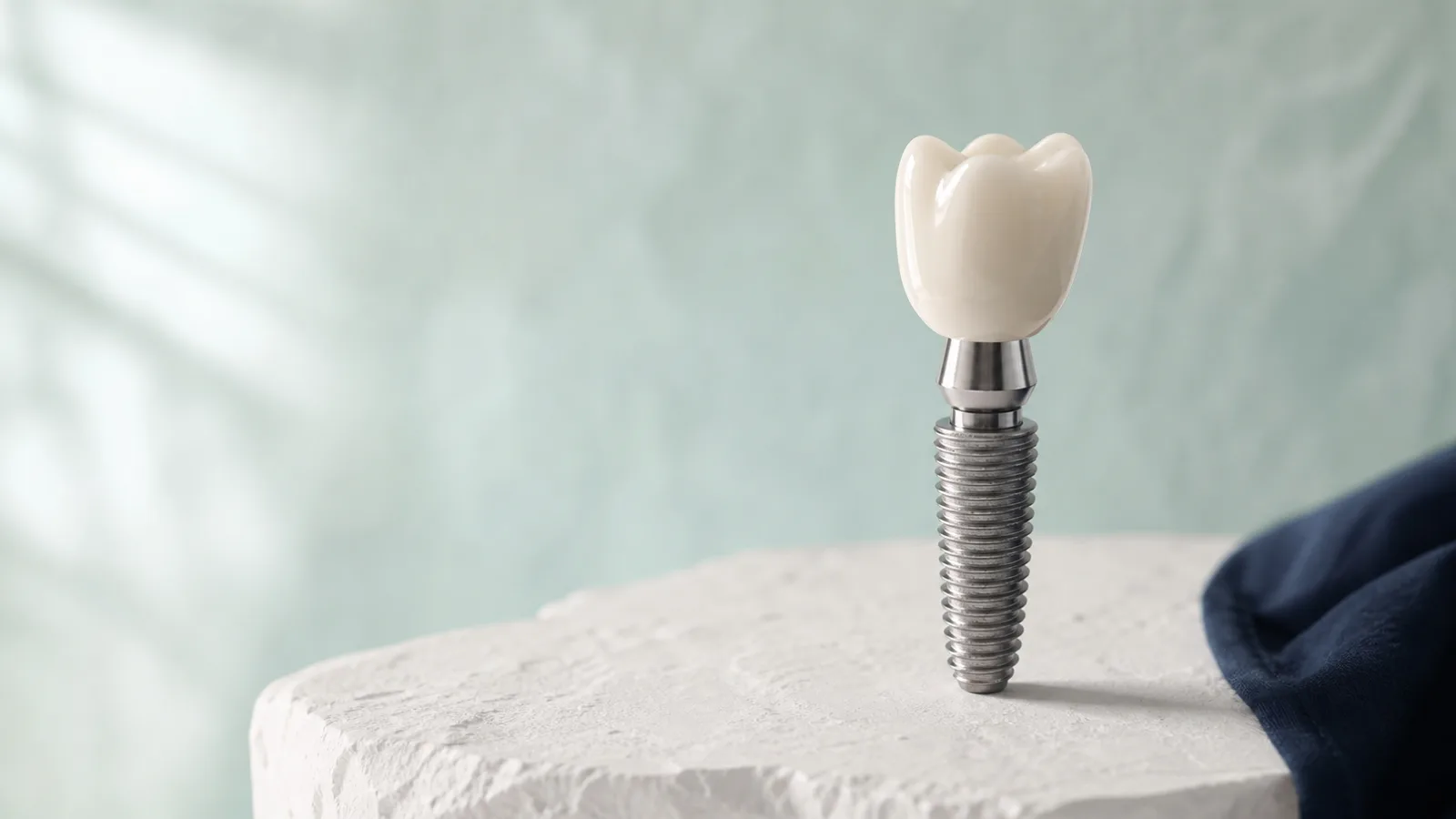
Veneer vs composite bonding: how to choose between them
Bonding adds tooth-coloured resin to your own tooth, while a veneer covers the front of it. Here is what the research says about each, and how to decide which suits your teeth.


The short version
- Composite bonding adds tooth-coloured resin to your own tooth, usually in one visit and with little or no drilling. A veneer is a thin facing, made of composite or porcelain, that covers the front of the tooth.
- Bonding suits small chips, small gaps and uneven edges. Veneers suit bigger changes in shape or colour, or changes across several teeth.
- Bonding keeps more of your own tooth and can be polished or repaired. Porcelain veneers have lasted longer in studies, but they need a thin layer of enamel removed first, which cannot be put back.
- Neither lasts for ever. Grinding, staining and hard foods shorten both, and results vary from person to person.
- A check-up decides which suits your teeth, and we will tell you if something simpler will do.
On this page (9 sections)
- 01What is the difference between veneer vs composite bonding?
- 02How much of your tooth does each one use?
- 03Which lasts longer, bonding or veneers?
- 04How much do bonding and veneers cost?
- 05Which suits chips, gaps and stained teeth?
- 06Does teeth grinding change which one to choose?
- 07Can you start with bonding and move to veneers later?
- 08How do we help you choose at Pembridge Dental?
- 09Thinking about bonding or veneers?
TL;DR
- Composite bonding adds tooth-coloured resin to your own tooth, usually in one visit and with little or no drilling. A veneer is a thin facing, made of composite or porcelain, that covers the front of the tooth.
- Bonding suits small chips, small gaps and uneven edges. Veneers suit bigger changes in shape or colour, or changes across several teeth.
- Bonding keeps more of your own tooth and can be polished or repaired. Porcelain veneers have lasted longer in studies, but they need a thin layer of enamel removed first, which cannot be put back.
- Neither lasts for ever. Grinding, staining and hard foods shorten both, and results vary from person to person.
- A check-up decides which suits your teeth, and we will tell you if something simpler will do.
Veneer vs composite bonding comes down to two questions: how much do you want to change, and how much of your own tooth do you want to keep? Bonding adds resin to a tooth and often removes none. A veneer covers the front surface and, in the porcelain kind, needs some enamel taken away first.
This guide compares the two on how much tooth they use, how long they last, what they cost and what each suits, using published research. It is general information, not advice about your own teeth.
What is the difference between veneer vs composite bonding?
Composite bonding shapes tooth-coloured resin onto your own tooth, while a veneer is a thin facing that covers the front of it.
With composite bonding, the resin is added in thin layers, shaped by hand and set with a curing light. It is usually done in a single visit. The NHS describes veneers as new facings that disguise a discoloured or chipped tooth, made of porcelain or a natural-coloured material and fitted over the front of the tooth, a bit like a false fingernail.
The line between the two can blur, because veneers come in two types. Composite veneers are built up and shaped on the tooth, in much the same way as bonding. Porcelain veneers are made in a laboratory and bonded on at a later visit. When a dentist suggests either, ask which material, which teeth and how much of the tooth will be changed.
How much of your tooth does each one use?
Bonding usually removes little or no tooth, while porcelain veneers need a thin layer of enamel removed first.
The Oral Health Foundation explains the usual veneer route: a small amount of enamel is removed from the front of the tooth, an impression goes to a laboratory, and the veneer is bonded on at a second visit. The NHS adds that some veneers need the front of the tooth drilled away a little, but not all of them do.
Enamel matters even once a veneer is on. A review of ceramic veneers found that enamel-bonded veneers had survival of about 99%, against about 91% where a lot of dentine (the layer under enamel) was exposed. The more of your own enamel is left, the better the surface for the veneer to grip.
Bonding keeps that choice open. The tooth surface is only lightly roughened, so bonding can usually be polished off or replaced later. Removing enamel for a porcelain veneer cannot be undone: the tooth will always need a covering afterwards.
Which lasts longer, bonding or veneers?
In published studies porcelain veneers have lasted longer than composite, but nothing in a mouth lasts for ever.
The best comparison comes from one dental practice’s records. The study followed 1,459 veneers for up to 10 years, mostly direct composite. The annual failure rate was 4.1% for composite and 1.2% for ceramic, and composite veneers carried about four times the risk of failing. About 17 in 100 veneers overall had been repaired and were still in place. It was a records study, not a randomised trial, so it shows a pattern rather than a promise.
A review of trials of composite veneers found a pooled survival of 88%, with an average follow-up of between two and eight years. The problems reported most often were a rough surface, colour mismatch and staining at the edges, which is why composite is polished over time. For porcelain, a review of 6,500 veneers estimated 95.5% were still in place at 10 years, with fracture the most common complication.
Composite bonding on front teeth varies a great deal. A review of more than 75,000 direct front-tooth restorations found survival across a wide range, from about 29% to 100%, with fracture the main cause of failure. Technique and materials matter, and so does the tooth.
That is why we say bonding usually lasts several years with good care, and edges may need a polish or a small top-up. Veneers last for years with good care, but not for ever. Composite can stain and chip, while porcelain is harder wearing but may eventually need replacing. Small chips on veneers can sometimes be repaired, and sometimes a new veneer is needed.
How much do bonding and veneers cost?
Composite bonding at Pembridge Dental is £500 per tooth, and the total depends on how many teeth you have done.
Veneers are priced per tooth too. Their fee depends on the material, so we point you to the fee guide for the current figures rather than quote one here. New patients have an exam first, which is £120, and you get a written plan with the full cost before any treatment starts.
Pembridge Dental is a private practice. The NHS says veneers are generally only available privately unless you can show a clinical need. The Oral Health Foundation says your dental team should explain your options, the benefits and risks, and give you a clear estimate of the cost before treatment starts.
Which suits chips, gaps and stained teeth?
Bonding usually suits small changes, such as a chip, a small gap or an uneven edge, while veneers suit bigger changes across the front of the tooth or several teeth.

This table is a starting point, not a diagnosis. Your teeth, gums and bite decide.
| What you would like to change | What usually points that way |
|---|---|
| A small chip, a short or uneven edge, or a small gap | Bonding, because little or no tooth needs to be removed |
| A bigger change in shape or length across several teeth | Veneers, planned tooth by tooth |
| Staining that whitening has not shifted | Veneers may suit, and we talk it through |
| A wish for something that can be polished, added to or taken off later | Bonding |
| Gum disease or decay | Treat that first, whichever you choose |
Neither option whitens. If you want whiter teeth overall, we whiten first and then match the bonding or veneers to the new shade, because resin and porcelain do not change colour with whitening gel.
Does teeth grinding change which one to choose?
Yes, because grinding can chip both bonding and veneers, so it is worth telling your dentist before you decide.
Grinding often goes unnoticed. The NHS lists worn or broken teeth among the signs, along with a sore jaw, headaches and disturbed sleep. It says a dentist may recommend a mouth guard, worn at night, that fits over your teeth and protects them from damage.
If you grind or clench heavily, bonded edges can chip under that load, and veneers can chip or crack. A night guard made to fit your teeth can help protect either one. The NHS also notes that stress and anxiety are the most common cause, and a GP can help with that side of it.
Can you start with bonding and move to veneers later?
Often you can, because bonding removes little or no tooth, which leaves your options open.
Going the other way is harder. Once enamel has been removed for a porcelain veneer, it cannot be put back. So if you are unsure how much change you want, starting with the option that takes the least away is a reasonable way to see how you feel. We check your teeth at the time, because the right next step depends on how the tooth and the bonding have worn.
How do we help you choose at Pembridge Dental?
Dr Ardalan Eghtedar (GDC 250741) looks at your teeth, bite and gums, explains what he sees before he suggests anything, and will tell you if he thinks bonding is not worth doing.
At the consultation we talk about what you would like to change and whether composite or porcelain veneers suit you, or whether something simpler would do. You then see the plan and the cost in writing before any treatment starts. For bonding, we match the resin to your natural tooth colour, and you see the result in the mirror before you leave.
A patient named Edward described it this way in a Google review: “listen to you and collaborate on what the best options are while explaining it all and pros/cons of different choices”. You can see a recent case on our results page, shared with the patient’s consent. Results vary from person to person.
Thinking about bonding or veneers?
Which is right depends on what you want to change, how your teeth and gums are today, and how much of your own tooth you want to keep. At a consultation we can tell you what applies to you.
If you are new to the practice, you can read what happens at your first visit on our new patients page. To book an appointment, use the booking button below, or call the practice on 020 7727 3976.
Questions
Common questions
Is composite bonding cheaper than veneers?
It depends on the type of veneer. Composite bonding at Pembridge Dental is £500 per tooth. Veneer fees depend on whether the veneer is composite or porcelain, so they are listed in our fee guide rather than quoted here. Both are priced per tooth, so the total depends on how many teeth you have done.
Do veneers last longer than composite bonding?
In published studies, porcelain veneers have lasted longer than composite ones, and composite is easier to polish or repair. Neither lasts for ever. How long yours lasts depends on your bite, whether you grind, what you eat and drink, and how well you clean your teeth.
Does composite bonding damage your teeth?
Composite bonding removes very little natural tooth, and often none at all. The surface is lightly roughened so the resin can grip. That is why bonding can usually be polished off or replaced later if you change your mind.
Do veneers damage your teeth?
Porcelain veneers need a thin layer of enamel removed, and that cannot be put back, so the tooth will always need a covering afterwards. Composite veneers often need little or no preparation. We explain which applies to you before anything starts.
Can you whiten composite bonding or veneers?
No. Whitening gel works on natural enamel only, so it does not change the colour of resin, composite or porcelain. If you want whiter teeth overall, we whiten first and then match the bonding or veneers to the new shade.
How many visits do bonding and veneers need?
Bonding is usually done in a single visit. Composite veneers can often be done in one visit too, depending on how many teeth are treated. Porcelain veneers usually take at least two visits, because they are made in a laboratory between appointments.
Can I have bonding on some teeth and veneers on others?
Some people need a small change on one tooth and a bigger change on another. Treatment is planned with you tooth by tooth, so the plan can use whichever option suits each tooth. You see the plan and the cost in writing before any treatment starts.
Sources
- Survival and complication rates of resin composite laminate veneers: a systematic review and meta-analysis (Lim and others, 2023) , Journal of Evidence-Based Dental Practice
- 10-year practice-based evaluation of ceramic and direct composite veneers (Mazzetti and others, 2022) , Dental Materials
- Long-term survival and complication rates of porcelain laminate veneers in clinical studies: a systematic review (Alenezi and others, 2021) , Journal of Clinical Medicine
- Clinical survival and complication rate of ceramic veneers bonded to different substrates: a systematic review and meta-analysis (Alqutaibi and others, 2025) , Journal of Prosthetic Dentistry
- Long-term survival and reasons for failure in direct anterior composite restorations: a systematic review (Shah and others, 2021) , Journal of Conservative Dentistry
- Dental treatments: dental veneers , NHS
- Veneers , Oral Health Foundation
- Teeth grinding (bruxism) , NHS
Filed under: composite bonding, veneers, comparison
General information only, not a diagnosis. Every mouth is different: ask us at a consultation what suits you. More articles